
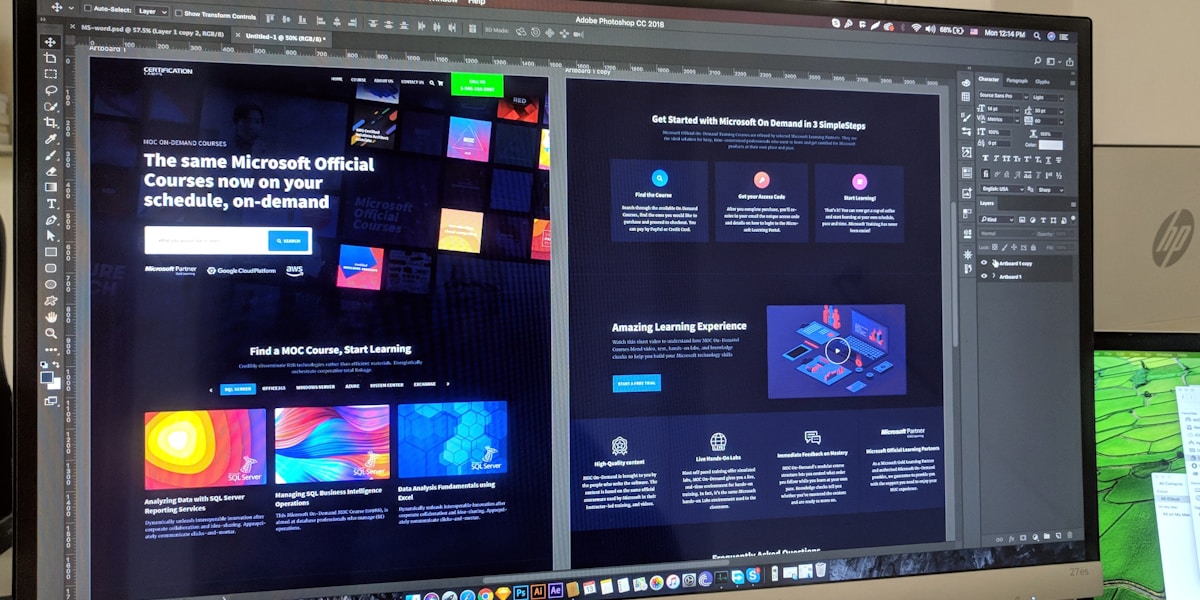
As we approach 2026, the landscape of web design continues to evolve at a rapid pace. New technologies, changing user expectations, and innovative design approaches are reshaping how we create digital experiences. Let's explore the trends that will define web design in the coming year.
1. AI-Driven Design Interfaces
Artificial intelligence is no longer just a buzzword—it's becoming an integral part of the design process. AI-powered tools are helping designers create more personalized, adaptive interfaces that respond to individual user preferences and behaviors in real-time.
From automated layout suggestions to intelligent color palette generation, AI is augmenting the creative process while allowing designers to focus on strategic thinking and user experience optimization.
"The best designs are those that feel invisible—they just work. AI is helping us create these seamless experiences at scale."
— Emma Wilson, Creative Director at UiUxHaus
2. Immersive 3D Experiences
With WebGL and WebGPU becoming more accessible, three-dimensional elements are finding their way into mainstream web design. From subtle 3D animations to fully immersive virtual environments, designers are pushing the boundaries of what's possible in a browser.

The key to successful 3D integration lies in performance optimization. Modern techniques like progressive loading, level-of-detail systems, and efficient asset compression ensure that immersive experiences don't compromise site speed.
3. Sustainable Web Design
Environmental consciousness is influencing web design decisions. Sustainable web design focuses on creating efficient, low-carbon websites that minimize energy consumption without sacrificing user experience.
- Optimized images and lazy loading to reduce data transfer
- Clean, efficient code that requires less processing power
- Green hosting solutions powered by renewable energy
- Dark mode options that reduce screen energy consumption
4. Micro-Interactions and Motion Design
Small, purposeful animations are becoming essential for creating engaging user experiences. These micro-interactions provide feedback, guide users through interfaces, and add personality to digital products.
However, the trend is moving towards more subtle, meaningful motion rather than flashy animations. The focus is on animation that serves a purpose—whether that's indicating a state change, providing feedback, or enhancing spatial understanding.
5. Variable Fonts and Advanced Typography
Typography is experiencing a renaissance in web design. Variable fonts offer designers unprecedented control over typeface characteristics, allowing for responsive typography that adapts to different screens and contexts.

6. Accessibility-First Design
Accessibility is no longer an afterthought—it's a fundamental design principle. In 2026, we're seeing more teams adopt accessibility-first approaches, where inclusive design is baked into the process from the start.
- Semantic HTML structure for screen reader compatibility
- Color contrast ratios that meet WCAG guidelines
- Keyboard navigation support throughout interfaces
- Clear, descriptive labels and alternative text
- Focus states and skip navigation links
Conclusion
The future of web design is exciting and full of possibilities. As technology advances and user expectations evolve, designers have more tools than ever to create meaningful, engaging digital experiences.
The key to success lies in staying curious, embracing new technologies thoughtfully, and always keeping the user at the center of every design decision. Whether you're integrating AI, exploring 3D, or focusing on sustainability, the goal remains the same: creating experiences that truly serve your users.

Comments (3)
Marcus Chen
Dec 16, 2025Great article! The section on sustainable web design really resonated with me. We've been implementing similar practices at our agency and the results have been impressive.
Sarah Johnson
Dec 16, 2025I'd love to see a deeper dive into AI-driven design tools. Any recommendations for platforms to try?
Leave a Comment